
Earthquakes have the potential to cause massive destruction and devastation, particularly in regions prone to seismic activity The shaking of the ground during an earthquake can lead to the collapse of buildings and infrastructure, resulting in loss of life and property damage One of the most effective ways to mitigate the impact of earthquakes is by implementing seismic bracing in building construction.
Seismic bracing, also known as seismic retrofitting, involves reinforcing structures to make them more resistant to the forces of an earthquake This process typically involves the installation of various structural elements, such as braces, trusses, and shear walls, to improve the building’s overall stability and strength By reinforcing a building’s structure, seismic bracing helps to minimize damage and protect occupants during an earthquake.
The primary goal of seismic bracing is to prevent a building from collapsing during an earthquake The forces generated by seismic activity can cause significant stress on a building’s structural components, leading to failure and potential collapse By adding bracing elements to a building’s framework, engineers can distribute these forces more evenly throughout the structure, reducing the risk of catastrophic failure.
Seismic bracing is especially crucial in high-risk seismic zones, where the likelihood of a major earthquake is significantly higher In these regions, building codes and regulations often require that new construction projects incorporate seismic bracing techniques to ensure structural integrity and safety Additionally, existing buildings in seismic-prone areas may also undergo retrofitting to improve their resilience in the event of an earthquake.
There are several different types of seismic bracing methods that can be used to strengthen structures against earthquakes One common approach is the installation of diagonal braces or cross-bracing, which helps to stabilize the building and provide increased lateral support These braces are typically made of steel or other high-strength materials and are strategically placed throughout the structure to reinforce weak points and enhance overall stability.
Another effective seismic bracing method is the use of shear walls, which are vertical elements that help to resist horizontal forces during an earthquake bracing seismic. By adding shear walls to a building’s framework, engineers can increase its ability to withstand the stresses generated by seismic activity Shear walls are often constructed using reinforced concrete or steel and are placed strategically within the building to provide maximum protection.
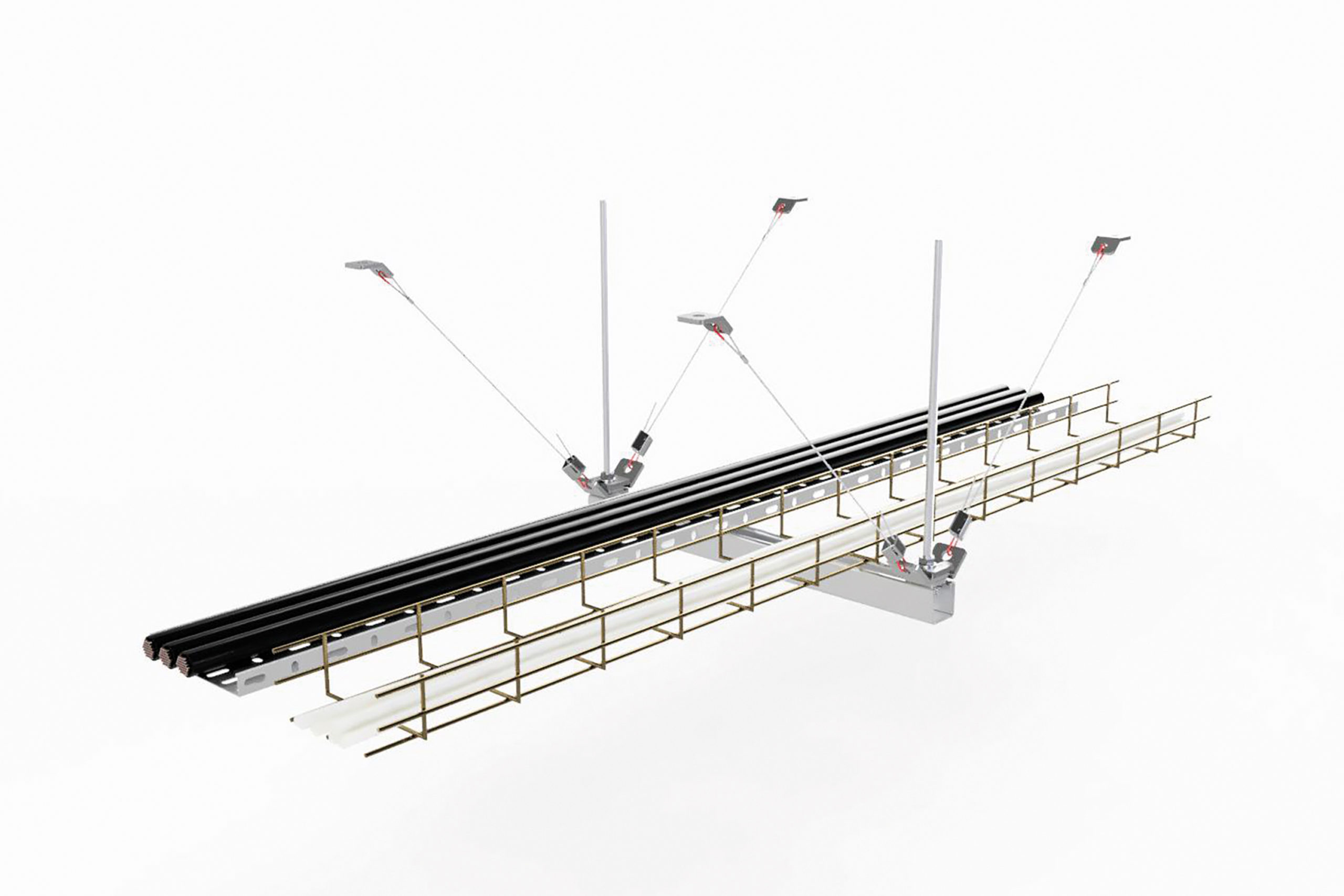
In addition to braces and shear walls, other seismic bracing techniques may include the installation of base isolators, dampers, and moment-resisting frames Base isolators help to reduce the transmission of seismic forces to the building by allowing the structure to move independently of the ground motion Dampers, on the other hand, absorb and dissipate energy during an earthquake, reducing the impact on the building Moment-resisting frames work to resist bending forces and provide additional lateral support to the structure.
While seismic bracing can be a costly and time-consuming process, the investment in strengthening structures against earthquakes is well worth it The potential for lives saved and property preserved in the event of a seismic event far outweighs the initial cost of retrofitting or incorporating seismic bracing into new construction projects In addition to protecting occupants and assets, seismic bracing can also help to ensure the continued functionality of critical infrastructure, such as hospitals, schools, and government buildings, during and after an earthquake.
In conclusion, seismic bracing is a critical component of building construction in seismic-prone areas By implementing various bracing techniques, engineers can enhance the stability and resilience of structures, reducing the risk of collapse and minimizing damage during an earthquake As the frequency and intensity of seismic events continue to pose a threat to communities around the world, the importance of seismic bracing in building design and construction cannot be overstated By prioritizing the strengthening of structures against earthquakes, we can help to safeguard lives and property and build more resilient communities for the future.